
Aluminium channels are among the most versatile aluminium extrusions used across Australian building, fabrication, and DIY projects.
Whether you’re framing a shower screen, building custom shelving, or fitting out a caravan, these U- and C-shaped profiles deliver the strength and flexibility you need.
Key Takeaways
- Aluminium channels are U- or C-shaped extrusions ideal for framing, edging, structural support, and trim applications
- Buyalength.com.au supplies 6060 T5 aluminium channel extrusions in standard and custom-cut lengths, shipped Australia-wide
- Key benefits include lightweight handling, corrosion resistance, easy fabrication, and suitability for indoor and outdoor use
- You can order exact lengths online with instant per-length pricing—no minimum order on stocked items
- Custom cutting before dispatch reduces waste, saves time on site, and simplifies transport
What Is an Aluminium Channel?
An aluminium channel is a U- or C-shaped aluminium extrusion commonly used as trim, structural support, or framing component.
These profiles are manufactured through the extrusion process, where aluminium alloy is forced through a die to create consistent cross-sections.
In Australia, channels are typically produced in 6060 T5 alloy, which offers reliable structural performance and good corrosion resistance for both indoor and outdoor applications.
U-channel vs C-channel:
- U-channel: Features a straight web with perpendicular flanges, creating an open rectangular shape. Ideal for edge protection, sliding tracks, and panel framing.
- C-channel: Has flanges that may taper or vary in thickness, often used for heavier structural applications like bracing and frame supports.
On Buyalength.com.au, channels are supplied in mill finish as standard—ready for anodising, powder-coating, or direct use where appearance isn’t critical.
Common Uses for Aluminium Channels in Australia
Aluminium channels are widely used across residential, commercial, and industrial projects throughout Australia, from Sydney and Melbourne to Brisbane and Perth.
Their versatility makes them a go-to choice for countless applications.
Framing and Edging Channels excel at holding glass panels in shower screens, framing polycarbonate sheets, and creating clean edges on benchtops and shelving.
They’re also popular for window and door trims in residential builds.
Support and Bracing For light structural work, channels provide rigid support in shelving systems, garage storage, and workbench frames.
Heavier profiles suit bracing in shopfitting and commercial fit-outs.
Sliding Tracks The U-shaped profile makes channels natural choices for sliding door tracks, drawer runners, and movable partition systems.
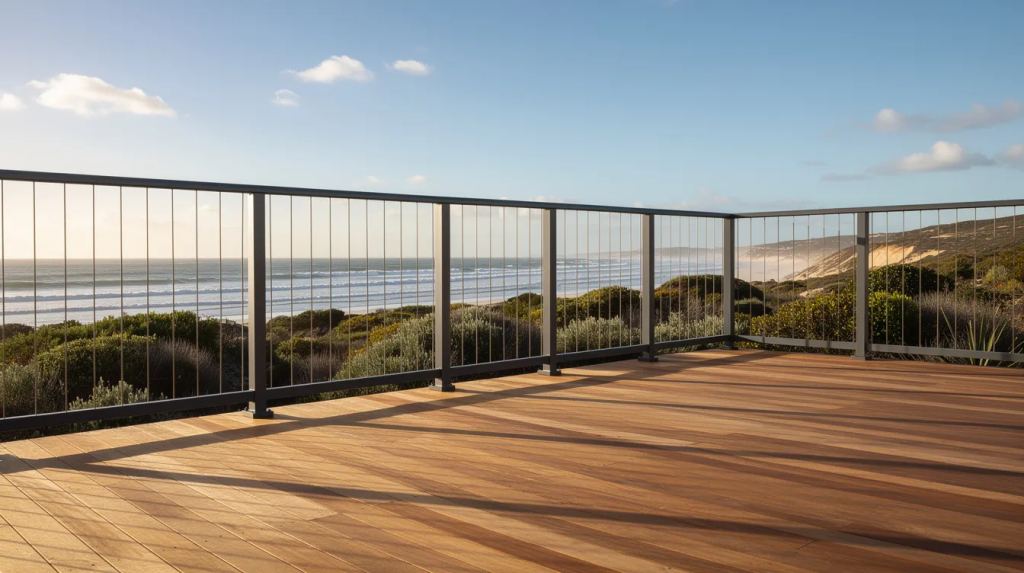
Visual Trims Where aesthetics matter, anodised or powder-coated channels deliver clean, modern lines on balustrades, sign frames, and architectural features.
Trade Applications Tradies regularly use channels for racking systems in warehouses, jig fabrication in workshops, and framing in caravan and trailer fit-outs.
Benefits of Aluminium Channel Extrusions
Aluminium channels are often chosen over steel or timber because they offer an excellent balance of strength, weight, corrosion resistance, and ease of handling.
Lightweight Handling A typical 30 mm × 50 mm aluminium channel weighs approximately 0.5 kg per metre.
Compare that to an equivalent steel channel, and you’ll find aluminium significantly easier to lift, transport, and install—especially on ladders or scaffolding.
Corrosion Resistance Aluminium naturally forms a protective oxide layer, making channels ideal for coastal NSW and QLD environments, high-humidity areas, and outdoor installations across Australia’s varied climates.
High Strength-to-Weight Ratio Despite being lightweight, aluminium channels deliver impressive structural performance, handling loads that would require much heavier steel sections.
Easy Machining and Fabrication You can cut, drill, and fix aluminium channels with standard tools.
No special equipment needed—making them perfect for on-site adjustments and DIY projects.
Clean, Modern Appearance Mill finish aluminium has a professional look, and options like anodising or powder coating allow you to match any colour scheme.
Sustainability Aluminium is highly recyclable without losing its properties, supporting more resource-efficient builds.
Key Dimensions and Profiles to Know
Choosing the right aluminium channel starts with understanding three key dimensions: base width (B), leg height (H), and wall thickness (T).
On Australian product pages, these are typically labelled in millimetres—for example, 30 × 30 × 3 mm means a 30 mm base, 30 mm leg height, and 3 mm wall thickness.
Standard vs Radius Channels
- Standard channels have sharp internal corners, suitable for trim and visual applications
- Radius channels feature rounded internal corners, which add strength and reduce stress concentration—preferred for structural or load-bearing applications
All dimensions on Buyalength.com.au are provided in metric, with approximate weight per metre listed to help with load and freight planning.
Sizing Tip: Measure the material you’re fitting (glass thickness, panel size, or timber) and select an internal channel width with enough clearance for easy insertion and any sealant required.
Need more help? Contact us.
Standard Lengths and Custom Cutting
Aluminium channels are typically stocked in standard lengths (commonly 6.5 m), but Buyalength.com.au allows you to buy only the length you actually need.
How Custom Cutting Works:
- Order full standard lengths or specify custom cut lengths on the product page
- Each cut section is listed as a separate item in your cart
- Cuts are square cut by default with typical tolerances of ±2.0 mm
Custom cutting before dispatch saves time on site, reduces waste offcuts, and makes handling easier—particularly valuable for homeowners and small workshops without large cutting equipment.
For complex jobs requiring multiple cuts, contact Buyalength.com.au directly for help optimising cut patterns to minimise waste and cost.
Choosing the Right Aluminium Channel for Your Project
The right channel depends on load requirements, environment, appearance, and how you’ll fix and join the pieces.
Simple Selection Steps:
- Define your application (trim, structural support, track)
- Measure required internal clearance for panels or edges
- Consider load or span requirements
- Select appropriate profile and wall thickness
- Choose finish (mill finish now, or allow for later coating)
Worked Example: To hold a 10 mm polycarbonate panel, measure the panel thickness (10 mm), add 2-3 mm clearance for easy insertion and sealant, then select a channel with approximately 12-13 mm internal width.
This ensures adequate grip without forcing a tight fit.
For higher loads or structural situations, consider radius internal channels. For trims and visual edges, standard sharp-corner profiles work well.
Unsure which channel suits your project?
Contact the Buyalength.com.au team with your measurements, intended use, and any drawings or photos for personalised advice.
How to Order Aluminium Channels Online at Buyalength.com.au
Buying aluminium channels online is straightforward and suits both tradies and DIYers across Australia.
Simple Ordering Process:
- Browse the aluminium channel category
- Select your required profile and size
- Enter cut length(s) and quantity
- Review live price per length
- Add to cart and proceed to checkout
You can mix different sizes and cut lengths in one order, making it easy to cover an entire project from framing to trims.
Delivery timeframes vary by location—metro areas like Sydney, Melbourne, and Brisbane typically receive faster shipping than regional destinations.
Freight is calculated at checkout based on size, weight, and postcode.
Ready to start? Browse the aluminium channel range now at Buyalength.com.au
Working With Aluminium Channels: Basic Tips
Aluminium channels are easy to cut, drill, and fix with standard tools, making them ideal for on-site adjustments and DIY projects.
Cutting Advice:
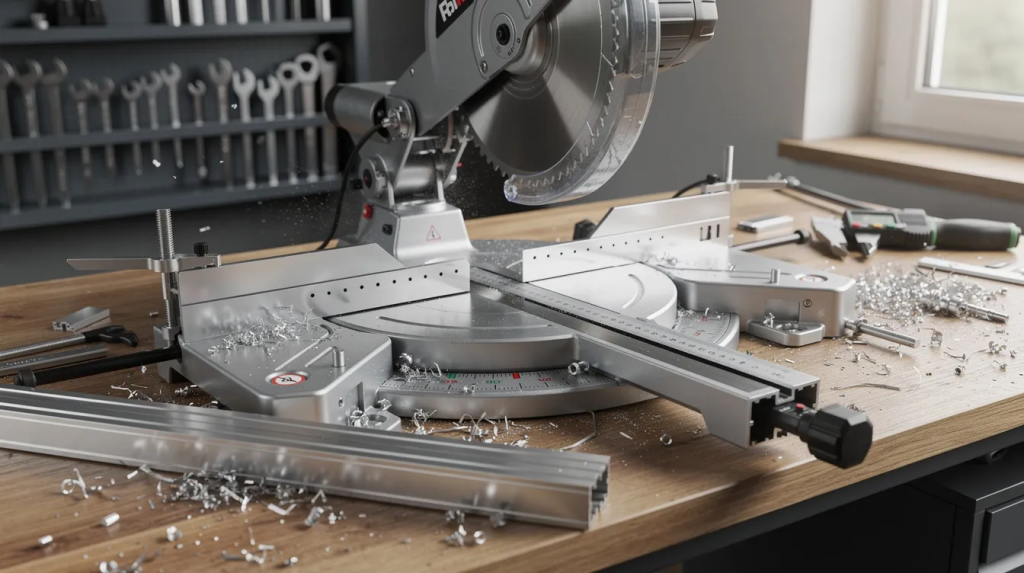
- Use a quality mitre saw or drop saw with a non-ferrous metal blade
- Clamp the channel securely before cutting
- Cut slowly to avoid overheating the blade
- Deburr edges with a file after cutting
- Always wear safety glasses, hearing protection, and gloves
Fixing Methods:
- Aluminium-compatible screws and rivets
- Structural adhesives for bonded joints
- Use appropriate fasteners for coastal or outdoor environments to prevent galvanic corrosion
Finishing Options: Mill finish channels work well in concealed or industrial applications.
For visible architectural features, consider powder coating or anodising after purchase.
Safety Reminder: Cutting and drilling aluminium produces sharp edges and chips—eye and hand protection are essential.
Why Buy Aluminium Channels From Buyalength.com.au
Buyalength.com.au offers a convenient online source for aluminium extrusions, including a comprehensive range of channels, for Australian trades and homeowners.
Key Advantages:
- Buy a length instead of full bar bundles—order only what you need
- Accurate custom cutting with clear metric sizing
- Competitive, transparent pricing displayed online
- Fast dispatch from Australian stock
- Delivery options for metro and regional customers
- No need to visit a physical trade counter
All products are consistent 6060 T5 alloy, ensuring structural reliability compatible with common Australian building and fabrication practices.
Browse the aluminium channel range here, plan your cut lengths, and get everything delivered ready to install.
Frequently Asked Questions
Can aluminium channels be used outdoors near the coast?
Yes, aluminium channels in 6060 T5 alloy offer good corrosion resistance and are commonly used outdoors across coastal NSW, QLD, and WA.
However, for installations within a few hundred metres of breaking surf, powder coating or anodising significantly improves longevity.
Rinse external aluminium periodically to remove salt build-up.
You can purchase mill finish channels from Buyalength.com.au and have them coated locally to match your project colours.
What tools do I need to cut aluminium channels at home?
For most jobs, you’ll need a mitre saw or circular saw fitted with a non-ferrous blade, or a hacksaw for smaller cuts.
A file or deburring tool smooths edges, and clamps secure the workpiece during cutting. Always wear eye protection, hearing protection, and gloves.
If you’d prefer not to cut at home, specify custom cut lengths when ordering from Buyalength.com.au.
Do aluminium channels need painting or coating?
Aluminium channels don’t require painting for corrosion resistance in most indoor and many outdoor applications.
Mill finish suits concealed or utility areas, while anodising or powder coating is popular for visible architectural features like balustrades and trims.
Discuss finishing options with your powder coater or fabricator if the channels will be a key visual element.
How do I know which size aluminium channel I need for glass or panels?
Measure the actual glass or panel thickness with a tape or caliper, then compare it to the internal width of the channel.
Allow small clearance for easy insertion and sealant if required.
Check dimension drawings on Buyalength.com.au product pages—when in doubt, choose a slightly wider channel rather than forcing a tight fit.
Contact customer support with your panel thickness and installation details for sizing assistance.
Can I order small quantities of aluminium channels?
Absolutely. Buyalength.com.au allows customers to buy single lengths or small quantities, ideal for one-off repairs, prototypes, and DIY projects.
You can mix and match different channel sizes and other aluminium extrusions in one order, covering your entire project without over-ordering.
Freight costs display at checkout so you can see total costs before confirming payment.